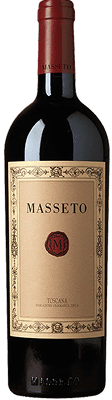
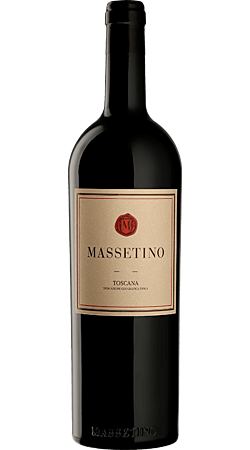
La tenuta Masseto is one of the most iconic wine properties in Tuscany, a region renowned worldwide for its exceptional wines. Located in the prestigious Bolgheri appellation, this domaine alone embodies the elegance and richness of Italian viticulture.
The Masseto vineyard was created by the Marquis Lodovico Antinori in the early 1980s in Tuscany, with the advice of oenologist André Tchelistcheff. Since 2005, this vineyard has belonged to another great Italian wine family, the Frescobaldi family.
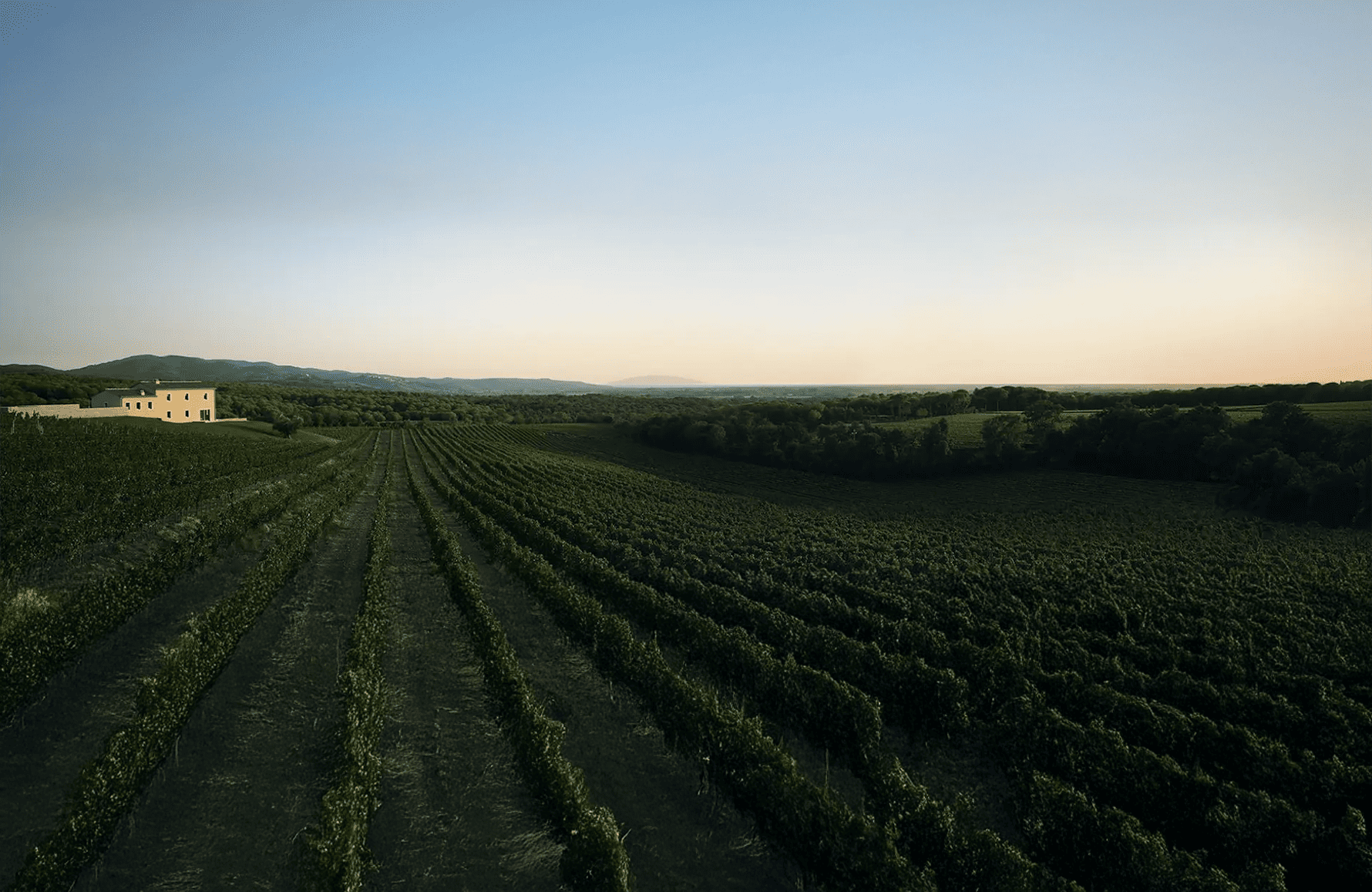
The vineyard of Masseto is an exceptional terroir of approximately 7 hectares, located on the Tuscan coast in Bolgheri, Italy. Often described as a “geological miracle”, it is recognized throughout the world as one of the greatest Merlot terroirs on the planet.
1. Geology: Pliocene Blue Clay
The absolute particularity of the vineyard lies in its soil composed ofPliocene blue clay, a marine relic dating back several million years.
- Sponge effect: This very dense clay traps water during spring rains and returns it very slowly to the root system during the hot and dry summer months of Bolgheri, thus avoiding any water stress on the vines.
- Mineral complexity: The ground is dotted with pebbles and rock fragments (pebbles and condensed clay) which provide tension, structure and a characteristic saline imprint.
2. A division into three sub-plots
The vineyard extends on a gentle slope facing the Mediterranean Sea, between 80 and 120 meters above sea level, and is divided into three distinct zones which each bring an essential component to the blend:
- Masseto Alto (The Summit): Located on the highest part, the soil is poorer and gravelly. It produces grapes which provide structure, freshness and great aromatic finesse.
- Masseto Centrale (The Heart): This is the steepest section and the one where the concentration of blue clay is the highest. It is the “lung” of the vineyard, bringing power, density, flesh and the emblematic velvety signature of the wine.
- Masseto Vechio (The Base): Located at the bottom of the slope, on more clayey-sandy soils, it brings roundness, fruit and suppleness.
3. Microclimate and Exposure
- Maritime influence: The vineyard faces the Tyrrhenian Sea, benefiting from a constant breeze which cools the rows of vines in summer, cleanses the foliage and accentuates the thermal amplitude between day and night.
- Mediterranean light: The reflection of sunlight on the sea provides optimal phenolic maturity to the Merlot berries.
4. A Dedicated Cellar House: “The Cellar”
For a long time vinified within the Ornellaia facilities, the vineyard has had its own ultra-modern gravity cellar since 2019, entirely dug into the subsoil of the hill. Designed by architects Zito & Mori, this underground building (nicknamed The Cellar) allows each micro-plot of the vineyard to be vinified independently in custom-made concrete vats.