The story of a great castle
380 YEARS OF TRADITION
It was in 1632 that, in the heart of Provence, theChâteau de l'EngarranAt the initiative of Henri d'Engarran, 9 hectares were dedicated to vineyards. In his will, he stipulated that his work should endure through the centuries. From then on, the Château retained his name. In 1722, the Château was acquired byJean Vassalwho built the castle and had the French-style gardens designed. The vineyard continued to expand until it reached 20 hectares.
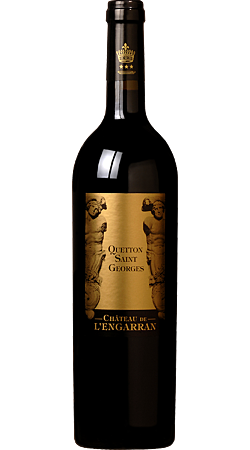
After a long trip to Canada,Laurent Quetton Saint GeorgesHe invested in the estate after making his fortune. He rightly developed trade relations with Canada in order to import wines produced from his 27 hectares of vineyards. In the 19th century, the ownerHenri MaresHe won the agricultural prize in 1856 for developing the first sulfur-based treatment against powdery mildew. At that time, Château de l'Engarran boasted a cutting-edge organic vineyard.
ThereBertrand familyacquired the estate in 1919 and saw his property placed within the UNESCO World Heritage SiteUNESCOToday theGrill familyShe is in charge of the property and is assisted by two women:Diane Losfelt, cellar master andConstance Rerolle.
Demanding viticulture
A TERROIR, A STYLE
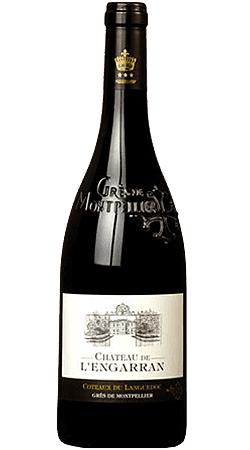
The Château L'Engarran estate is located near Montpellier in the Languedoc-Roussillon region. Its 64 hectares of vineyards are spread across several communes. Forty hectares of the property are located in Grés de Montpellier and Saint-Georges d'Orques, while 24 hectares lie within the commune of Perpignan.Château de l'EngarranIt includes a Protected Geographical Indication (PGI) and three Appellations d'Origine Contrôlée (AOCs). As a result, the vines thrive in a wide variety of soils:
- gravel and clay-limestone soils at the bottom of slopes;
- marine fossil limestone rocks;
- silty sands;
- gravel and rolled pebbles;
It's no surprise that the vineyard is organized into plots. No fewer than eight grape varieties are cultivated using sustainable practices, with the labelTerra VitisThis certification guarantees minimal use of inputs and reflects the philosophy of organic viticulture. The grape varieties cultivated are:
- Syrah
- Grenache
- Mourvèdre
- Carignan
- Cinsault
- Sauvignon blanc
- Cabernet franc
- Merlot
These vines receive meticulous care and benefit from excellent geographical conditions. The vineyard enjoys 330 days of sunshine per year, mild temperatures, low rainfall, and Mediterranean influences. Soil decompaction (aeration) and green harvesting are also practiced to bring out the best in each grape variety.
Exemplary viticulture
FROM VINE TO GLASS, EVERYTHING IS TRANSFORMED
Viticulture and winemaking are practiced on a plot-by-plot basis. It is not uncommon for the plots to be subdivided during maceration to preserve the unique characteristics of each micro-terroir. Three types of tanks are used to ferment the grapes: concrete, stainless steel, and fiberglass. The first stage of winemaking takes place in the heart of the 17th-century vat room. Aging is also carried out on a plot-by-plot basis, with barrels used to age the wines. Their use ensures structure and proper tannin maturation. The winemaking process must fully express the potential of the grapes, as observed in the vineyard. The goal is to fully and completely reveal the subtleties of the wines during blending.Diane Losfelt and her teams.At Château de l'Engarran, making wine is like a treasure hunt, the cellar master tells us. It's a process of...silky and complex wineswhich are easy to enjoy.